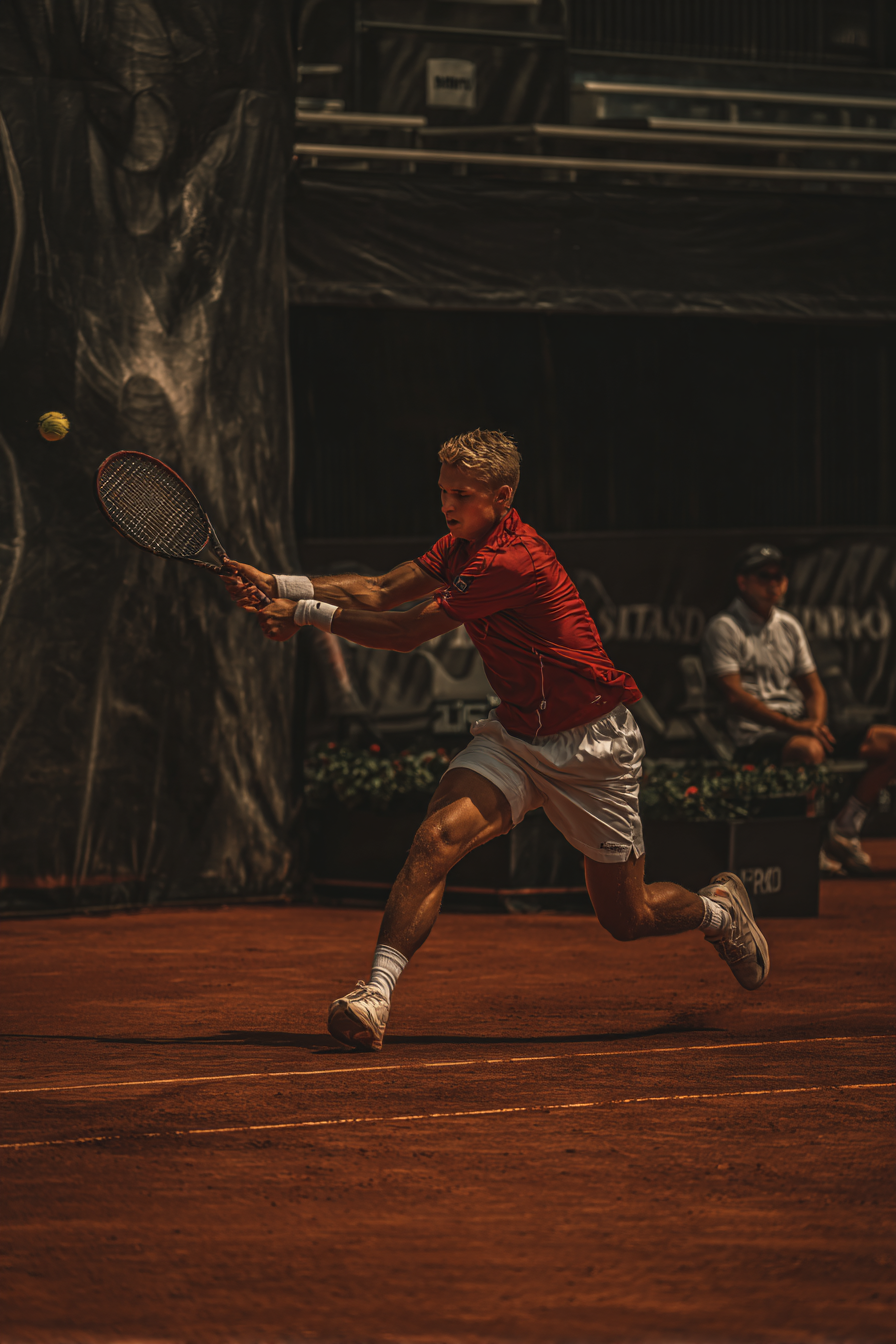
Shooting a Grand Slam is not like any other sports photography assignment. The access is strictly controlled, the light changes constantly between indoor and outdoor courts, and the decisive moments happen in fractions of a second.
Every Grand Slam has its own character. Roland Garros is warm clay tones and harsh midday shadows. Wimbledon is overcast skies and the deep green of Centre Court. Understanding these conditions ahead of time shapes everything — from lens selection to white balance presets.
You don't react to the moment in sports photography. You anticipate it. By the time you see it, it's already too late.
The best sports photographs are rarely of the obvious moment — the serve, the winner, the celebration. They're the tension before the toss, the exhaustion between points, the quiet focus that separates champions from contenders. These are the images that tell stories.
After fifteen years of shooting professional tennis, I've learned that the camera is the easy part. The hard part is being in the right place, at the right time, with the right instinct. That only comes from watching thousands of hours of the sport and understanding its rhythms.